North Dulwich station bulk rubbish collection and removal options
Posted on 14/07/2026
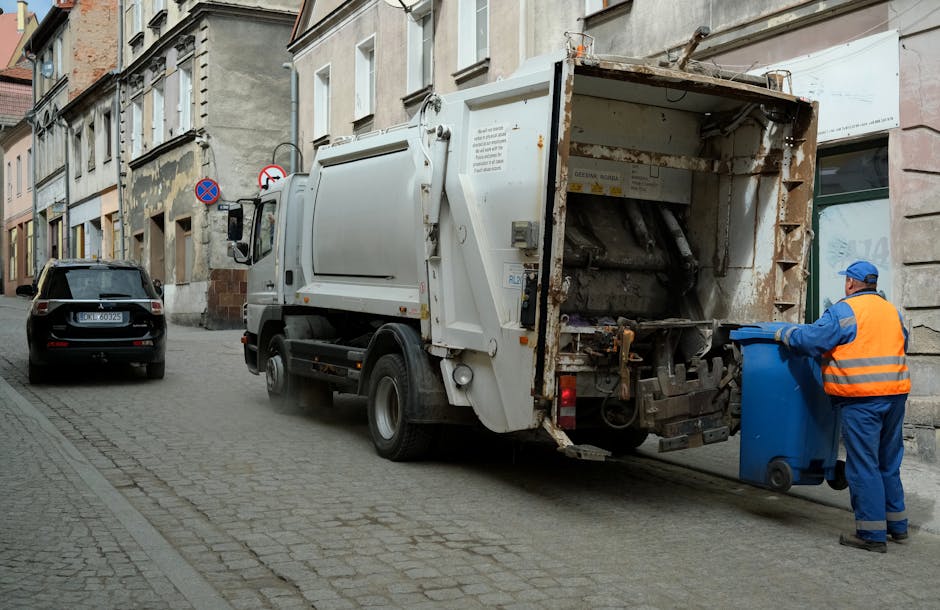
If you are trying to clear bulky waste near North Dulwich station, you already know the awkward part: it is rarely just "a few bags." More often it is a sofa that will not fit through the door, a broken wardrobe, builders' offcuts, or a pile of mixed items that have sat in the hallway far too long. North Dulwich station bulk rubbish collection and removal options exist for exactly these moments, giving local residents, landlords, and businesses a practical way to clear space without turning the whole week upside down.
In this guide, we will walk through the main ways bulky waste is handled, how the process usually works, what to watch out for, and when a professional collection makes far more sense than trying to wrestle everything to the kerb yourself. We will also cover compliance, pricing expectations, and a realistic checklist so you can make a calm, informed decision rather than a rushed one. To be fair, that calm bit matters more than people think.
Why North Dulwich station bulk rubbish collection and removal options Matters
Bulk rubbish is not the same as general household waste. It is bigger, heavier, harder to move, and more likely to include mixed materials that need sorting before disposal. Near a busy station area, that creates a few extra headaches. Space is tighter, parking can be awkward, and nobody wants furniture blocking a front path while waiting for the next collection day.
For local homes, the issue is usually convenience. A hallway full of old furniture, broken appliances, or renovation debris quickly becomes more than a tidy-up job. For landlords and letting agents, bulk waste can slow down re-marketing or delay a check-in. If you are reading about estate clearance tips for landlords in SE21, you will recognise that pressure immediately. Every extra day of clutter can become an extra day of inconvenience.
There is also a neighbourly side to it. Bulky waste left in shared spaces can be an eyesore, attract complaints, or create trip hazards. And if waste is not handled properly, the original homeowner or business can still end up carrying responsibility. That is the bit people sometimes forget. It is not just about getting rid of things; it is about getting rid of them properly.
Expert summary: Bulk rubbish collection is most valuable when you need fast clearance, safe handling, and a disposal route you can trust. The best option is usually the one that matches the weight, volume, urgency, and type of waste, not just the cheapest price.
How North Dulwich station bulk rubbish collection and removal options Works
Most bulky waste removals follow a similar pattern, even if the provider names the service differently. You contact the collection team, describe what needs removing, and confirm the type and quantity of items. From there, they will usually estimate the load, arrange a time slot, and explain what can and cannot be taken. If you need a broader clear-out rather than one-off items, a general rubbish collection service in Dulwich often fits neatly into the same process.
For many jobs, the team arrives, loads the waste, separates reusable or recyclable material where appropriate, and takes everything away in one visit. That is the appeal. No skip permit, no lifting heavy items on your own, no guessing whether the mattress can sit on the pavement overnight without causing bother. Simple enough, though not always as simple as it sounds.
In practice, the workflow often looks like this:
- You identify the items and separate anything you want to keep.
- You flag special items such as fridges, sofas, mattresses, or electricals.
- You request a quote or estimate based on volume, access, and waste type.
- The team confirms collection timing and any access details, such as stairs or narrow entrances.
- On collection day, items are removed, sorted, and transported for disposal or recycling.
Some customers prefer this hands-on support because it reduces guesswork. Others like the speed. If the waste is already piling up after a move, refurbishment, or spring clearout, the last thing you want is to spend half the weekend working out logistics. For a deeper look at what professionals do behind the scenes, the article on how experts streamline rubbish clearance is worth a read.
Key Benefits and Practical Advantages
The biggest benefit is obvious: space comes back quickly. But the real value runs deeper than that.
- Less physical effort: Heavy or awkward items can be removed without you trying to carry a wardrobe down a narrow staircase.
- Faster turnaround: In many cases, the work can be completed in a single visit.
- Better handling of mixed waste: Furniture, wood, metal, and electricals can be separated more sensibly.
- Reduced disruption: No skip sitting outside for days, which is handy if parking is limited near the station.
- Cleaner finish: A proper collection leaves the area tidy rather than half-cleared.
- Useful for urgent situations: Moving out, preparing a rental, or dealing with a last-minute clearout becomes much more manageable.
There is also a hidden benefit that people do appreciate once the job is done: mental relief. Clutter has a way of nagging at you in the background. You see the broken chest of drawers every time you walk past and think, "I'll deal with that later." Then later becomes months. Bulk removal breaks that loop.
If you are weighing do-it-yourself clearance against a professional team, the comparison is not just about cash. It is about time, effort, risk, and whether you want to spend a Saturday making repeated trips to a disposal point. That trade-off is explored well in why professional rubbish clearance beats DIY.
Who This Is For and When It Makes Sense
Bulk rubbish collection near North Dulwich station is useful for a surprisingly wide range of people. It is not only for big house clearances. In real life, it helps with lots of smaller situations that just happen to be bulky, awkward, or too much for one person to handle comfortably.
It often makes sense for:
- homeowners clearing out old furniture or damaged items
- tenants moving out under time pressure
- landlords turning over a property between lets
- letting agents handling urgent clearance
- small businesses replacing office furniture
- households dealing with post-renovation debris
- gardeners disposing of bulky green waste after seasonal work
It also makes sense if access is tricky. Station-adjacent streets can be awkward for big vehicles, and many properties in the wider Dulwich area have stairs, mews-style access, narrow front paths, or shared entrances. That is where a collection team that knows the local rhythm can make life much easier. If you want a broader sense of the neighbourhood context, this Dulwich area guide gives useful background.
Sometimes the best time to book is not when the clutter feels unbearable, but a little earlier. Before a tenancy change. Before Christmas. Before a planned refit. That small bit of timing can save a lot of stress. Honestly, it often does.
Step-by-Step Guidance
If you want the cleanest route from cluttered to clear, a simple process helps. Here is the approach that usually works best.
1. Identify exactly what is going
Walk the space slowly. Note the items, approximate sizes, and whether anything is damaged, damp, or likely to break apart when moved. A sofa is one item. A sofa plus cushions plus footstool plus old throw blankets is a different load.
2. Separate the keepers from the removals
This sounds basic, but it saves the most time. Make a keep pile, then move it somewhere safely away from the collection route. If you do not, items often get mixed up, especially in tight hallways. We have all seen that one chair that mysteriously becomes part of the "maybe" pile for three weeks.
3. Check for special waste
Electrical items, white goods, mattresses, and some construction materials may need different handling. If you are disposing of old computers, screens, or cables, the guide on recycling old electronics in the UK can help you separate what needs special treatment. For appliances, the relevant approach is often a dedicated white goods and appliance disposal option.
4. Measure access honestly
Stairs, parking distance, narrow gates, basement levels, and lift restrictions all affect collection time. Be upfront about them. It is better to say "there are two flights of stairs and a tight turn" than pretend it is all straightforward. That honesty helps the crew plan properly and gives you a more accurate quote.
5. Ask how the waste will be handled
Good providers should explain how items are sorted, where appropriate recycling happens, and what happens to reusable material. If you want a deeper sense of responsible waste handling, the company's recycling and sustainability approach is a helpful reference point.
6. Confirm the booking details
Check the collection window, the payment method, the type of waste accepted, and any preparation required. You do not want surprises on the day. Nobody does.
7. Clear the route before arrival
Move small obstacles, unlock gates, and make sure the team can reach the items safely. A five-minute tidy-up can save twenty minutes of fiddling later.
Expert Tips for Better Results
After plenty of clear-outs, a few patterns keep showing up. The jobs that go smoothly are usually the ones where the customer has thought one step ahead.
- Book before the deadline pressure hits. If you are moving, try not to leave waste removal for the final day. That is when everything feels heavier.
- Group items by type. Put furniture together, cardboard together, and garden waste together if possible. It helps speed up loading.
- Take a quick photo set. A few clear pictures usually make quoting easier and more accurate.
- Ask about mixed loads. If you have furniture, soil, wood, and electricals all at once, tell the provider early.
- Think about access first, not last. Collection vans and crews can do a lot, but awkward access always affects timings.
- Choose the route that suits the actual job. If you only have one broken chair, a large-scale collection may be overkill. If you have a whole flat to clear, a small-load approach will probably frustrate you.
A practical tip that people overlook: take one minute to check the things under beds, behind doors, and in cupboards. The stray items are always there. Always.
If you are comparing options, skip hire versus professional rubbish removal is a useful side-by-side read. It is not the right choice for every job, and sometimes the "best" option is simply the one that keeps your week from descending into chaos.

Common Mistakes to Avoid
Most bulk collection problems come from the same handful of avoidable mistakes. Nothing dramatic, just the kind of thing that makes a simple job feel oddly complicated.
- Assuming everything is standard waste. Fridges, freezers, TVs, mattresses, and construction debris can need different handling.
- Underestimating volume. A few bulky pieces can take up far more space than they look like from the corner of the room.
- Not checking access. If a collection team cannot get close enough, delays follow.
- Leaving items mixed with keepers. That is an easy way to misplace something you actually wanted.
- Choosing on price alone. The cheapest quote is not always the safest or cleanest route.
- Ignoring compliance. You should always know who is taking the waste and whether they are properly authorised to do so.
One small but important point: if you are clearing rubbish from a business premises, the rules and expectations can differ from a home clear-out. There is a useful overview in household versus business rubbish removal. It is one of those comparisons that clears up a lot of confusion quickly.
Tools, Resources and Recommendations
You do not need a van full of equipment to prepare for bulk rubbish removal, but a few simple tools make the process smoother.
- Gloves: useful for sharp edges, splinters, and general dust.
- Strong refuse sacks: for smaller loose items that would otherwise scatter.
- Moving blankets or old sheets: helpful for protecting flooring and door frames.
- Measuring tape: handy if you are unsure whether a large item will fit through a doorway.
- Marker pen and tape: useful for labelling keep, donate, and remove piles.
- Phone camera: ideal for sending item photos before the job.
On the resource side, a few pages on this site are especially useful if you are planning a more complex clear-out. For example, house clearance in Dulwich is relevant if the job is bigger than a simple bulky item collection, while loft clearance is a good fit for items that have been gathering dust for years upstairs. For business-related jobs, office clearance can be the more suitable route.
And if the waste is mainly outdoor material, a dedicated garden waste removal service is usually more efficient than trying to bundle green waste into general rubbish bags. Different waste, different outcome. That part matters.
Law, Compliance, Standards, or Best Practice
Waste removal in the UK is not something to handle casually. You do not need to become a legal expert, but you do need to understand the basic expectation: waste should go to a legitimate, traceable destination, and the carrier should be able to show they are allowed to handle it.
For customers, the main best practice is simple. Use a provider that can explain its licensing, safety approach, and disposal process clearly. If you want to know more about that side of things, waste carrier licence and compliance is the sort of page that helps clarify what responsible handling looks like. You may also find it reassuring to read about insurance and safety practices, especially if your job includes heavy lifting, stairs, or awkward access.
There is also a broader compliance lesson here: if waste is mixed with hazardous or potentially hazardous material, it should be separated and handled with care. That is not a place for guesswork. For a closer look at specialist handling, the article on safe hazardous waste handling gives useful context.
Best practice, in plain English, means three things: know what you are disposing of, know who is taking it, and know that it will be handled properly once it leaves your property. If all three boxes are ticked, you are in good shape.
Options, Methods, or Comparison Table
Different situations call for different removal methods. Some are better for a single bulky item. Others work better for a full clear-out. Here is a practical comparison.
| Method | Best for | Pros | Watch-outs |
|---|---|---|---|
| One-off bulk rubbish collection | Single items or a small mixed load | Quick, simple, minimal disruption | May not suit very large or complex jobs |
| Full rubbish removal service | Mixed household or business waste | Flexible, efficient, good for irregular loads | Needs clear item details for accurate pricing |
| Skip hire | Longer jobs with steady waste output | Handy if you are working over several days | Space, permit, and loading restrictions can apply |
| Specialist furniture or appliance removal | Sofas, wardrobes, fridges, washing machines | Safer handling of heavy, awkward pieces | Some items may need separate treatment |
| House or office clearance | Large clear-outs with many item types | Best for major changeovers and end-of-tenancy work | Needs better planning and item sorting |
For many readers, the choice comes down to whether the job is a "few bulky items" job or a "whole space needs clearing" job. That distinction saves time and money. It also keeps expectations realistic, which is half the battle.
If your load is mostly older furniture, the dedicated furniture removal option may be more suitable than general waste collection. If it is only a few items, the simpler furniture disposal route might be enough.
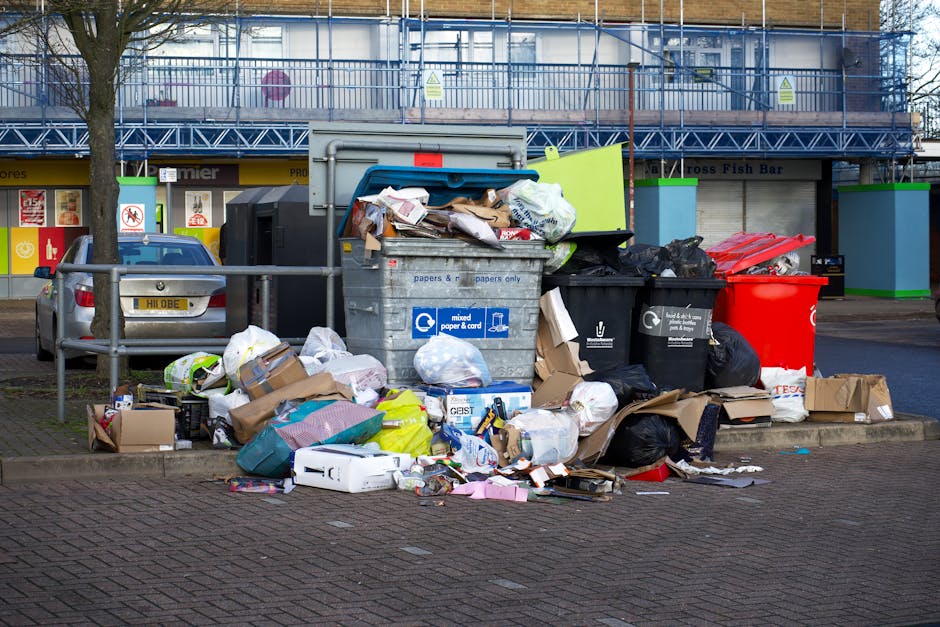
Case Study or Real-World Example
Picture a typical Friday afternoon near North Dulwich. A family is preparing to hand back a rented flat on Monday. There is an old sofa in the living room, a broken chest of drawers in the bedroom, a microwave that stopped working ages ago, and two bags of random bits from the cupboard under the stairs. Not a huge job, but awkward enough to become a problem if left to the last minute.
They first consider doing it themselves. Then reality sets in. The car is too small, the sofa is too bulky, and the nearest disposal point would mean multiple trips, parking stress, and a fair bit of lifting. Instead, they choose a professional collection. They send a few photos, confirm access, and ask for a mixed-load removal.
The team arrives, removes the items in one go, and the room is left clear for cleaning. No drama, no half-finished hallway, no Saturday lost to logistics. It is not glamorous, but it works. And to be fair, that is what most people really want.
A similar pattern shows up in office jobs too. A small workspace replacing old desks and chairs usually benefits from a coordinated removal rather than a piecemeal effort. For a business context, commercial rubbish removal in Dulwich is often the right fit, especially when time is tight and the space needs to stay professional.
Practical Checklist
Use this quick checklist before booking or on the morning of collection.
- Identify every bulky item that needs removing.
- Separate keep, donate, recycle, and remove piles.
- Check whether any electricals, white goods, or special items are included.
- Take photos if you need a quote or estimate.
- Measure access routes, stairs, and doorway widths if needed.
- Make sure parking or kerb access is realistic for the collection vehicle.
- Clear a safe path to the items.
- Confirm the collection time window and payment method.
- Ask how the waste will be sorted or disposed of.
- Keep any paperwork or booking confirmation until the job is complete.
If your clear-out is seasonal, it can also help to think ahead. The article on Christmas rubbish removal tips shows how timing and planning can make a surprisingly big difference when homes get busy.
Conclusion
North Dulwich station bulk rubbish collection and removal options are really about restoring order without adding more strain to your day. Whether you are clearing one awkward item or dealing with a larger mixed load, the right approach depends on volume, access, urgency, and waste type. Once you separate those pieces properly, the decision gets much easier.
The best results usually come from a simple formula: be clear about what needs removing, choose a method that matches the job, and work with a provider that handles waste responsibly. That way, you get a tidier space, less stress, and far fewer surprises. Which, let's face it, is exactly what most people are after.
If you are planning a clear-out and want a smoother route from start to finish, take the time to compare options, gather a few details, and book before the job becomes urgent. A little preparation now tends to save a lot of faff later.
Get a free quote today and see how much you can save.