Dulwich Village waste removal for period properties and flats
Posted on 07/08/2026
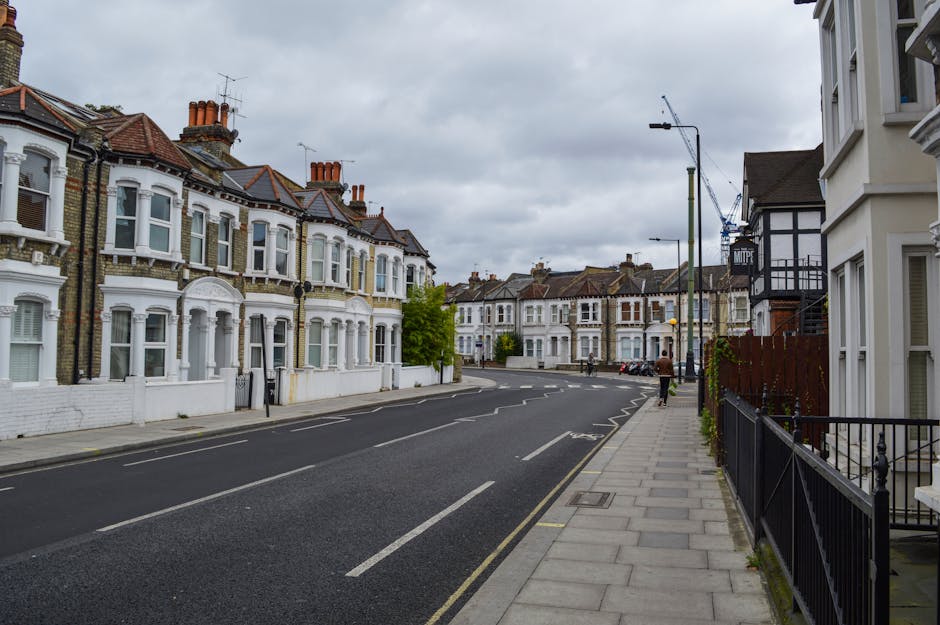
Dulwich Village has a way of making even the practical jobs feel a little more considered. Tall sash windows, narrow staircases, shared entrances, original features, and the occasional awkward basement or loft hatch all change the game when you need rubbish cleared. That is exactly why Dulwich Village waste removal for period properties and flats needs a different approach from a standard "lift it and load it" job.
If you live in a Victorian terrace, a converted flat, a purpose-built block, or a top-floor apartment with no lift, the challenge is usually not the rubbish itself. It is access, timing, neighbour courtesy, and making sure nothing gets scraped, blocked, or left behind. In this guide, we will walk through what good waste removal looks like in Dulwich Village, how it works in real life, where the common traps are, and how to choose the right method without overcomplicating things. Simple enough. Not always easy, though.
Why Dulwich Village waste removal for period properties and flats matters
Period properties and flats are lovely to live in, but they can be unforgiving when it comes to waste clearance. Stairs can be tight, hallways may be narrow, and original flooring or plasterwork can be sensitive to knocks. In a flat, there may also be shared access rules, service hours, lift bookings, and neighbour considerations. In a period home, there is often a mix of old furniture, loft clutter, renovation waste, and general household items that have built up over years.
That is why the right service is about more than removing bags. It is about protecting the property, keeping common areas tidy, and moving items out efficiently without causing a nuisance. A careful team will think about the route out, the size of the load, whether items need to be dismantled first, and how to avoid damage to bannisters, skirting boards, and door frames. You only really notice the value when you see what happens if it is not handled well.
Dulwich Village also has a distinctive housing mix, and if you are planning a bigger clearout, it can help to understand the local context too. Our guide to embracing the peaceful sophistication of Dulwich gives a useful sense of the area, while whether Dulwich is a good home base and Dulwich property market insights explain why keeping a property presentable matters so much here.
Expert summary: In period homes and flats, waste removal is not just a disposal task. It is a logistics job, a protection job, and often a neighbour-relations job all at once.
How Dulwich Village waste removal for period properties and flats works
The process is usually straightforward, but the best jobs are carefully planned behind the scenes. It often begins with a description of the items, photos, or a short site visit if access is tricky. This is where a good provider will assess volume, item type, stair access, parking, and whether there are any restrictions in the building. For a top-floor flat, that detail matters a lot. For a period house with a narrow side return, it matters just as much.
From there, the team plans the collection approach. That may mean bringing the right size vehicle, sending extra crew for heavier items, or scheduling at a quieter time of day. If the property has multiple occupants or a managed building, the provider may need to work around move-in times, lift windows, or concierge arrangements. Little things, but they save hassle.
On the day, the crew usually separates items for reuse, recycling, and disposal where practical. Furniture, appliances, mixed household waste, electronics, builders' rubble, and garden cuttings all need different handling. If you are clearing out a flat after a tenancy, you might combine domestic waste collection with furniture disposal and, in some cases, a house clearance style service. A renovation project may call for builders waste disposal instead.
If you are comparing service types, our pages on waste removal in Dulwich and rubbish collection in Dulwich are useful starting points. For bigger clearouts, house clearance and loft clearance are often more relevant than a one-off bag collection.
Key benefits and practical advantages
There are several reasons people in Dulwich Village choose a professional waste removal service rather than trying to do it all themselves. Some are obvious, some only become obvious after you have tried carrying a wardrobe down a twisting staircase and realised that the wardrobe has other plans.
- Less risk to the property: Period features are beautiful, but they are not forgiving. Proper handling helps protect walls, floors, glass, and communal areas.
- Faster turnaround: A planned clearout can often be completed in a single visit, which is especially helpful for landlords, sellers, and busy residents.
- Better access handling: Flats, basement rooms, lofts, and mews-style layouts often need a more thoughtful route and more careful lifting.
- Cleaner shared spaces: In apartments and converted houses, good waste removal reduces disruption for neighbours and keeps stairwells usable.
- More responsible disposal: Sorting items properly makes recycling and reuse more realistic, which is better for both the environment and your conscience.
- Less stress: Truth be told, most people just want the clutter gone without turning it into a weekend project that drags on and on.
There is also a practical financial angle. A well-planned collection can reduce the risk of extra trips, parking problems, missed council collection windows, or accidental damage. If you want to understand the wider picture, it is worth reading about why professional rubbish clearance can beat DIY and how rubbish removal costs can include hidden fees or savings.
Who this is for and when it makes sense
This type of service is a good fit for a wide range of Dulwich Village residents and property managers. You may not need it every month, but when the need appears, it tends to be time-sensitive. Anyone who has stared at a hallway full of boxes and thought, "Right, this needs sorting now," will recognise the feeling.
It makes sense for:
- Homeowners in period terraces, villas, and converted houses
- Flat owners dealing with furniture, white goods, or general clutter
- Landlords preparing for new tenants or end-of-tenancy clearances
- Estate agents and sellers wanting the property to show well
- People clearing lofts, basements, or storage cupboards
- Residents undertaking light refurbishment or decorating work
- Small businesses or home offices that have outgrown their storage space
It is especially sensible when access is awkward, when you have bulky items, or when you need the work done neatly and quickly. If your flat is near busy local routes or station-linked streets, you may also want to plan around loading space and foot traffic. Our Dulwich-specific guides such as Lordship Lane rubbish removal guidance and bulk collection options near North Dulwich station can help you think through timing and access.
Step-by-step guidance
If you want the process to feel calm rather than chaotic, a bit of preparation goes a long way. Here is a simple way to approach it.
- Walk through the property first. Look at what needs to go, what stays, and what may need dismantling.
- Separate item types. Keep furniture, bagged waste, appliances, and recyclables apart where possible.
- Measure awkward pieces. Large wardrobes, sofas, and mattresses can be harder to move than they look.
- Check access points. Note stair widths, lift availability, parking restrictions, and any fragile areas.
- Book a suitable service. Choose between house clearance, furniture removal, domestic waste collection, or another relevant option.
- Notify neighbours or building management if needed. In flats, a quick heads-up can prevent avoidable friction.
- Clear the route. Move small objects, secure pets, and keep hallways free where you can.
- Confirm disposal expectations. Ask how recycling, reuse, and heavier items will be handled.
A small but useful tip: if you have a mix of items, take photos before you start moving things around. It helps when deciding whether you need furniture disposal, white goods disposal, or something broader. It also makes quotes more accurate, which is always welcome.
For a more structured approach, our article on professional tools and techniques shows how experienced crews keep jobs efficient without making a mess of the place.
Expert tips for better results
In our experience, the best outcomes come from a mix of preparation and restraint. You do not need to overthink every item, but you do need to respect the quirks of the building.
- Use the narrowest route that is actually safe. It sounds obvious, but people often try to take a shortcut through a fragile-looking doorway because it seems quicker. It usually is not.
- Dismantle where practical. Flat-pack furniture, bed frames, and some shelving units move better in parts.
- Protect communal areas. Lift rather than drag if possible, and use covers or careful handling for corners and thresholds.
- Plan around delivery and bin days. Shared buildings can feel cramped on busy mornings.
- Handle appliances carefully. White goods can be heavy and awkward, so proper lifting and disposal matter.
- Keep recycling separate. A few minutes of sorting can make disposal cleaner and more responsible.
If you are unsure what qualifies as a recyclable item or what should be treated as electrical waste, it is worth checking our guide on how to recycle old electronics in the UK. For more environmentally minded planning, our recycling and sustainability approach is a sensible place to look.
And yes, one more tiny thing: do not leave the final bag by the front door "for later". Later has a habit of becoming next Tuesday.
Common mistakes to avoid
A lot of waste removal problems are avoidable. That is the frustrating part. They are usually not dramatic mistakes, just small oversights that snowball.
- Underestimating volume: A flat full of "a few bits" often turns into several loads once you start lifting things properly.
- Forgetting access restrictions: Parking, stairwells, service lifts, and loading bays can all affect the job.
- Mixing special items with general waste: Some items need separate handling, particularly electricals and hazardous materials.
- Choosing the wrong service: A light rubbish collection may not be enough for a full house clearance or refurbishment cleanup.
- Ignoring building rules: In flats, this can lead to complaints or delays.
- Not checking provider credentials: A licensed, insured operator gives you more confidence and less risk.
For a deeper look at what can go wrong, see common rubbish clearance mistakes and how to verify a provider is licensed and insured. Those two checks save a lot of grief.
Tools, resources and recommendations
You do not need a van full of equipment to organise a good clearout, but a few basic tools and sensible resources help a lot. In a period property, small tools often matter more than brute force.
- Moving blankets or old sheets: Handy for protecting corners and floors during bulky item removal.
- Strong gloves: Useful for handling rough edges, old furniture, and dusty loft finds.
- Tape measure: A simple one, but very helpful when checking whether a sofa or wardrobe will fit through a turn.
- Label stickers or marker pens: Ideal for separating keep, donate, recycle, and remove piles.
- Bin bags and sturdy boxes: Good for loose household waste, books, or mixed items.
For residents comparing services, the following pages can help:
- services overview for a broad look at available options
- pricing and quotes to understand how jobs are typically assessed
- about us if you want more background on the company approach
- insurance and safety for reassurance around risk and handling
- waste carrier licence and compliance for peace of mind on legal basics
If you are working on a property with mixed needs, some other useful pages include furniture removal, white goods and appliance disposal, builders waste disposal, and garden waste removal.
Law, compliance, standards and best practice
Waste removal in the UK sits within a framework of environmental responsibility and duty of care. You do not need to become an expert in the law just to clear a flat, but you should be confident that waste is being handled properly. That means using a provider that is licensed where required, keeps waste moving to appropriate facilities, and understands what cannot simply be lumped together.
For period properties and flats, the practical compliance issues usually include safe handling, correct sorting, and avoiding obstruction of communal access. In managed buildings, there may also be leasehold rules, fire safety considerations, or requirements around keeping escape routes clear. These are not glamorous topics, I know, but they matter when you are moving bulky waste through shared spaces.
Special care is needed for items that may be hazardous or require separate treatment, such as paint, cleaning chemicals, or certain electricals. If that sounds relevant, the article on how hazardous waste is handled safely offers a useful plain-English overview. For regulatory context, rubbish removal laws and compliance guidance is also worth a look.
Best practice is not just about avoiding penalties. It is about doing the job in a way that respects the building, the neighbours, and the wider environment. That is especially relevant in Dulwich Village, where homes tend to be cared for rather than casually churned through.
Options, methods and comparison table
Different jobs call for different methods. Sometimes a quick collection is enough. Sometimes you need a fuller clearance service. And sometimes trying to save a bit of money by doing everything yourself ends up costing more in time, effort, and sore shoulders. Let us be honest about that.
| Method | Best for | Pros | Limitations |
|---|---|---|---|
| Single rubbish collection | Small amounts of mixed household waste | Fast, simple, good for one-off jobs | Not ideal for bulky furniture or full-room clearouts |
| Furniture removal | Sofas, tables, beds, wardrobes | Efficient for large items, reduces lifting burden | May not suit mixed waste with lots of loose bags |
| House clearance | Whole-property or room-by-room clearouts | Comprehensive, useful for moving or probate-style jobs | May be more than you need for a small flat tidy-up |
| Domestic waste collection | Regular household waste and overflow | Flexible and easy to arrange | Less suited to large or awkward items |
| Builders waste disposal | Renovation rubble, packaging, offcuts | Good for refurbishment projects | Heavy materials need clear separation and planning |
If you are unsure which route fits your situation, a quick rule of thumb helps: choose the simplest service that can safely handle the job, but not a simpler one that leaves you doing half the work yourself. That halfway approach is where frustration lives.
If you want a broader comparison of approaches, read skip hire versus professional rubbish removal and council versus private rubbish removal. They help clarify why many flats and period homes lean toward a managed collection rather than a skip on the street.
Case study or real-world example
A typical Dulwich Village scenario goes like this: a first-floor flat in a converted house needs clearing before a new tenancy starts. The hallway is narrow, the stairwell turns sharply halfway up, and the flat contains a sofa, a bed base, a broken chest of drawers, several black bags, and an old microwave tucked into a cupboard. Nothing unusual, but awkward enough.
The sensible approach is to sort the items first, then remove the smaller waste before tackling the bulky pieces. The bed frame may need dismantling. The microwave should be treated as electrical waste rather than just another item in the pile. The crew will usually protect the stairs and turn carefully at the landing, because that is where scuffs happen. Not dramatically, just annoyingly.
In a similar period house, the challenge can be even more physical if items are coming down from a loft or basement. If the loft is packed with old boxes and seasonal clutter, a dedicated loft clearance service may be the better fit. For a full move-out or inherited property, house clearance support can be more efficient than piecing it together over several days.
The big lesson from real-world jobs is that the neatest outcome often comes from taking a few extra minutes to plan the route, not from rushing. You feel the difference immediately once the work starts.
Practical checklist
Before collection day, run through this checklist. It keeps things tidy and avoids last-minute panic.
- Identify all items that need to go
- Separate general waste, furniture, appliances, and electricals
- Measure bulky items and key access points
- Check for parking, lift, or loading restrictions
- Confirm whether the property is a flat, conversion, or period home with shared access
- Remove small valuables and personal paperwork
- Protect floors and delicate surfaces if items are being moved through the property
- Notify building management or neighbours if required
- Ask about reuse, recycling, and disposal handling
- Keep pathways clear for the crew on the day
For landlords and sellers, it can also help to think ahead about presentation. Clearing clutter before photography or viewings often makes a remarkable difference. If that is your situation, maximising property sales in Dulwich is worth reading alongside a clearance plan.
Conclusion
Dulwich Village waste removal for period properties and flats works best when it is treated as a practical, building-aware service rather than a generic collection. The layout of the property, the presence of shared spaces, and the character of the home all shape what the right solution looks like. Get that part right, and the whole job becomes calmer, quicker, and far less disruptive.
Whether you are dealing with a few bulky items, a full flat clearout, or a period home that has slowly filled with years of life, the key is to plan the job around access and disposal needs. That is where the difference lies. Not in making it complicated, just in making it thoughtful.
Get a free quote today and see how much you can save.
And if you are still deciding how to approach it, take your time, ask the practical questions, and choose the option that will leave your property neat, safe, and ready for whatever comes next. Sometimes the best result is the quiet one - the room that finally feels clear again.