Avoid hidden fees in Dulwich rubbish removal bookings
Posted on 08/10/2026
If you have ever booked rubbish removal and then watched the final price creep up at the door, you are not alone. Hidden charges can turn a simple clear-out into a frustrating little drama, especially when you are trying to clear a flat in Dulwich, shift garden waste after a weekend tidy-up, or empty a loft before the decorators arrive. This guide on how to avoid hidden fees in Dulwich rubbish removal bookings gives you the practical checks, questions, and red flags that matter before you say yes.
You will find clear advice on pricing, what should be included, how reputable operators tend to quote, and which details are worth confirming in advance. There is a bit of local context too, because Dulwich homes, access routes, parking, and property styles can all affect how a quote is built. Let's face it, the cheapest number on the screen is not always the cheapest service on the day.
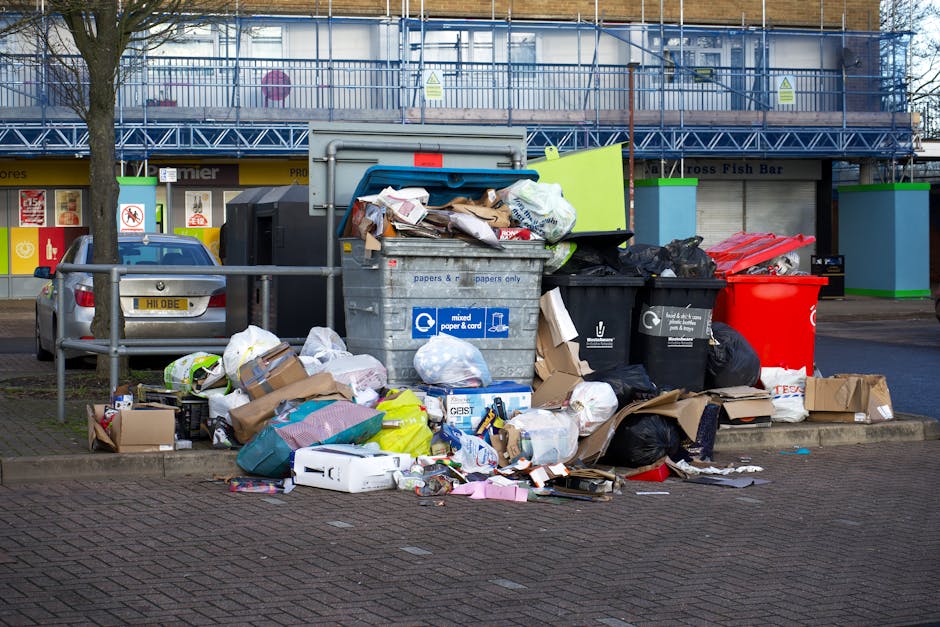
Why avoiding hidden fees in Dulwich rubbish removal bookings matters
Hidden fees are not just annoying. They can change the whole value of the booking. A quote that looks tidy at first can become much more expensive once labour, loading time, congestion, stair carry, parking, or disposal charges are added. In a place like Dulwich, where streets, access, and property layouts vary so much, those extras can appear quickly if the provider has not priced carefully or explained the scope properly.
It also matters because rubbish removal is one of those services people book when they are already busy. You might be juggling a move, a house clearance, a landlord handover, or a last-minute declutter before guests arrive. When you are rushed, small print is easy to miss. Truth be told, that is exactly when hidden charges do their best work.
There is another angle too: trust. A clear, honest quote is usually a sign that the business knows its trade and respects the customer. No one expects a perfect guess before the team has seen the load, but you should expect transparency about what affects the price. If a quote feels vague, it usually is vague.
Expert summary: The safest way to avoid surprise costs is to get a detailed quote, confirm what is included, describe the waste accurately, and ask how the provider handles access, loading time, and disposal fees before booking.
For broader context on service standards and business details, it can help to look at a provider's services overview and make sure the work you need matches what they actually do day to day.
How avoiding hidden fees in Dulwich rubbish removal bookings works
The process is simple in principle. You provide details about the rubbish, access, location, and timing. The company estimates the labour, vehicle size, disposal route, and any special handling that may be needed. A decent provider then turns those details into a quote that explains what is included and what could change the price.
In practice, hidden fees usually appear when one of three things happens:
- The waste description was incomplete.
- The property access turned out to be harder than expected.
- The quote left out common extras such as congestion, parking, or heavy item handling.
For example, a ground-floor garden clear-out in Dulwich Village is very different from carrying bagged waste down narrow stairs in a period conversion near a busy road. Same postcode, very different effort. A fair quote should reflect that difference without feeling like a trap.
Some providers quote by load volume, some by labour time, and some by a combination of both. That is not automatically a problem. The important bit is whether the pricing method is explained clearly enough for you to compare one service with another. If a business avoids answering direct questions, that is your cue to slow down.
It can also help to understand whether the company is handling general rubbish collection, a specific clearance, or a more specialist job. A few service pages worth checking are rubbish collection in Dulwich, house clearance in Dulwich, and builders waste disposal. Different jobs, different cost structures. Simple as that.
Key benefits and practical advantages
When you avoid hidden fees properly, you get more than a lower bill. You get a smoother booking, fewer surprises, and a better sense of control. That matters more than people sometimes admit.
1. Clear budgeting
You know what you are likely to pay before the team turns up. That helps if you are planning a house move, managing a rental property, or splitting costs with family members. Nobody enjoys a last-minute price jump when the van is already outside.
2. Faster decision-making
If the quote is transparent, it is much easier to compare options. You are not trying to decode clever wording or guess which fee will appear later. You can compare like with like, which is how it should be.
3. Fewer disputes on the day
Most arguments happen when expectations were never set properly. Confirming access, waste type, and payment terms in advance cuts out a lot of friction. A few honest questions before booking can save a lot of awkwardness at the kerbside.
4. Better service fit
A provider that prices properly is also more likely to send the right vehicle, enough staff, and the correct disposal route. That means less hanging around while the team recalculates. In our experience, good planning is often what separates a calm job from a messy one.
5. Better confidence in compliance
Transparent operators are usually more willing to explain how they handle recycling, transfer, and licensed disposal. You do not need a lecture. Just enough reassurance that your waste is being handled properly.
If sustainability matters to you, you may also want to look at a company's recycling and sustainability approach so you understand how materials are sorted after collection.
Who this is for and when it makes sense
This is relevant for almost anyone booking rubbish removal in Dulwich, but a few groups feel the impact of hidden charges more than others.
- Homeowners clearing clutter before selling, renovating, or reclaiming space.
- Tenants trying to avoid end-of-tenancy fees or rushed move-out costs.
- Landlords and letting agents managing estate clearances or post-tenancy rubbish.
- Small businesses disposing of office items, packaging, or fit-out waste.
- Garden owners dealing with branches, soil, and green waste after seasonal jobs.
- Anyone with bulky items such as appliances, furniture, or awkwardly placed debris.
It is especially useful when the job is not straightforward. A few black bags? Easy. A mixed load from a garage, a broken wardrobe, and a stained sofa up two flights of stairs? Different story. The more variables you have, the more important it becomes to pin down the price structure.
Some local situations that often need extra clarity include period properties, shared entrances, tight parking, and same-day requests. If that sounds familiar, you are exactly the kind of customer who benefits from a detailed quote rather than a quick estimate.
Step-by-step guidance
Here is the practical route I would take if I wanted to avoid hidden fees in a Dulwich rubbish removal booking.
- List exactly what needs removing. Be specific. "Old furniture" is less useful than "one three-seater sofa, one coffee table, four bin bags, and a broken bedside cabinet."
- Separate waste types where possible. General household waste, green waste, appliances, and builder's debris may be priced differently. If you mix everything together in the description, the estimate may become less accurate.
- Explain access clearly. Mention stairs, narrow hallways, rear garden access, parking restrictions, and whether the team can park close to the property. That one detail can make a real difference.
- Ask what the quote includes. Check for labour, loading, disposal, congestion, parking, and VAT where relevant. If it is not written down, ask for it in plain English.
- Confirm any extra charges. Ask what would trigger a price change. Heavy items? Extra volume? Restricted access? Special disposal? Get the answer before booking.
- Check the provider's status and policies. A legitimate operator should be open about compliance, insurance, and how waste is handled. You do not need a courtroom-level review, but you do need reassurance.
- Get the quote in writing. Email, text, or booking summary. Something you can refer back to if needed. Memories are funny things when money is involved.
- Reconfirm on the day if anything changes. If there is more rubbish than expected, say so early. Surprises are much easier to manage before the van door opens.
A small but useful habit: take a quick photo of the waste before booking. Not because you are trying to outsmart anyone, just because it makes the description more accurate. A minute with your phone can save a lot of back-and-forth later.
Expert tips for better results
People often focus on the headline price. Fair enough. But the smaller details are what protect you from hidden charges.
Ask for a "fully inclusive" explanation
Not every company uses that phrase, and some do it better than others. Still, asking for a fully inclusive breakdown forces the conversation away from vague estimates and toward what you actually pay.
Be cautious with very low quotes
If one price is far below the others, ask why. It may be a promotion, but it may also mean the company is excluding items that others include. Cheap can be fine. Cheap and unclear is where trouble begins.
Use the service type that fits the job
There is no prize for booking the wrong service. For example, furniture removal, appliance disposal, domestic waste collection, and office clearance all have slightly different cost drivers. If you need a more specific service, it is better to book that directly than to hope a general quote will cover it. You can review options such as furniture removal, appliance disposal, and office clearance.
Ask about same-day pricing before you need it
Urgent bookings can cost more, and that is normal enough. The issue is not the higher price; it is the surprise. If you suspect you might need fast collection, ask about timing and any premium in advance. The same goes for busy periods, especially when everyone seems to be clearing something at once.
Check how the company talks about payments
Clear payment terms are a good sign. If a provider is transparent about deposits, card payments, and when the final balance is due, that usually indicates decent back-office discipline too. For a broader look at this side of the business, see the provider's payment and security page.
Don't forget the human side
A quick phone conversation can reveal a lot. Are they patient? Do they answer the direct questions? Do they sound like they have actually done this before? Small thing, but it matters. You can hear confidence, usually.

Common mistakes to avoid
Most hidden-fee problems come from the same handful of mistakes. The good news is that they are easy to avoid once you know them.
- Giving a vague waste description. "Bits and pieces" is not enough.
- Forgetting access details. Stairs, parking limits, and long carries are often where price changes start.
- Assuming the quote includes everything. Never assume. Ask.
- Ignoring the fine print. A short booking summary can hide a lot in a tiny corner.
- Not asking about disposal rules. Some materials need special handling and may carry extra cost.
- Choosing price over clarity. The lowest number is not always the best value.
- Booking the wrong service. Domestic waste is not the same as builders waste, and the pricing logic is not the same either.
One common scenario: a customer books what they think is a basic rubbish collection, then adds an old sofa, a fridge, and half a dismantled shed. That is not a small tweak. That is a different job. The quote should change, yes, but the best operators explain that before collection day, not after the van has loaded half the driveway.
Tools, resources and recommendations
You do not need fancy software to avoid hidden fees. A few simple tools and habits are enough.
- Phone photos of the waste pile and access route.
- A short item list with rough quantities, such as bags, boxes, furniture, or appliances.
- Measurements for bulky items if you are not sure they will fit down stairs or through a doorway.
- A parking note for your street, especially if access is tight or restricted.
- Written quote confirmation before collection day.
If you want to check whether a company is serious about its responsibilities, useful pages include waste carrier licence and compliance, insurance and safety, and about us. Those pages do not replace a proper conversation, of course, but they do give you a better feel for how the business operates.
For people comparing local options more widely, the pricing and quotes page is a sensible place to look if you want to understand how estimates are usually built and what information helps sharpen the final figure.
Law, compliance, standards, or best practice
When rubbish is removed from your property, there is more involved than simply lifting bags into a van. Responsible operators should be able to explain how they handle waste legally and safely. In the UK, that usually means they should be appropriately registered as a waste carrier where required, and they should dispose of waste through proper channels rather than tipping it illegally. You do not need to become an expert yourself, but you should expect the company to know the rules and follow them.
Best practice also includes clear communication around prohibited or specialist waste, sensible handling of hazardous materials, and honest advice if a load needs separate treatment. If you are disposing of awkward or riskier items, ask how those are managed. That is especially relevant for electrical items, sharp materials, heavy items, or anything that could cause damage if carried badly. A little caution now prevents headaches later.
For a deeper look at safety and specialist handling, the company's own guidance on hazardous waste handling can be useful, especially if you are unsure whether something in your pile needs special care.
There is also a straightforward consumer rule worth holding onto: if a quote sounds too vague to understand, ask for clarity. Reputable providers should welcome that. A good service does not rely on confusion. Not really.
Options, methods, or comparison table
There are a few different ways Dulwich residents usually approach rubbish removal. The right one depends on the size of the load, urgency, and how much effort you want to put in yourself.
| Option | Best for | Possible downside | Hidden-fee risk |
|---|---|---|---|
| Fixed quote rubbish removal | Clear, defined jobs with good photos and details | Can be adjusted if the job changes on arrival | Lower if the scope is confirmed in writing |
| Load-based pricing | Mixed items where volume matters most | Can feel vague if the load estimate is unclear | Medium if the provider does not explain what counts as extra |
| Labour-plus-disposal pricing | Heavier or more complex clear-outs | Harder to compare unless the breakdown is clear | Medium to high if labour time or access is not discussed |
| DIY disposal | Very small jobs and people with time and transport | Time-consuming, physical effort, possible multiple trips | Low on service fees, but higher on time and inconvenience |
Many people compare rubbish removal with skip hire as well. That can make sense, especially for ongoing renovation work. But it is not always the easiest route for a one-off household clear-out. If you are weighing those options, a useful read is the comparison piece on skip hire versus professional rubbish removal. It helps you think about convenience, access, and total cost rather than just the initial price tag.
Case study or real-world example
Picture a fairly typical Dulwich situation. A couple is clearing a first-floor flat after redecorating. They have an old wardrobe, a broken bedside cabinet, four bags of mixed household waste, and a couple of bulky boxes from storage. At first glance, it feels straightforward.
Then the details emerge. The stairwell is narrow. Parking outside is limited in the afternoon. The wardrobe needs to be carried down carefully because the corners are already damaged. Suddenly the provider has to consider extra labour, longer loading time, and access issues. If those were never discussed, the customer may feel surprised when the final price shifts.
Now compare that with a better booking process. The customer sends photos, explains the stairs, notes where the van can park, and asks whether the quote covers all labour and disposal. The provider responds clearly, gives a written estimate, and flags the possibility of a small adjustment only if the load turns out to be different from the photos. Same job, very different experience.
That is really the heart of avoiding hidden fees: making sure the quote matches the actual job, not the hopeful version of it. It sounds obvious, but it is amazing how often that one step gets skipped.
Practical checklist
Before you book, run through this quick checklist. It is simple, but it catches a lot.
- Have I described every item or waste type clearly?
- Have I included photos or measurements for bulky items?
- Have I explained access, stairs, parking, and loading distance?
- Have I asked what the quote includes and excludes?
- Have I checked whether VAT or disposal fees are included?
- Have I asked about charges for heavy, hazardous, or awkward items?
- Have I confirmed the payment method and timing?
- Have I checked the provider's compliance, insurance, and safety information?
- Have I got the quote in writing?
- Have I compared at least one other option for sanity, just to be sure?
If you can tick most of those off, you are already ahead of many people. A little prep goes a long way. Honestly, it does.
Conclusion
The easiest way to avoid hidden fees in Dulwich rubbish removal bookings is to treat the quote as a conversation, not a guess. Be specific about what needs removing. Be honest about access. Ask what is included. Get the detail in writing. And do not be shy about asking a direct question or two. A trustworthy company will not mind.
In a local area like Dulwich, where access, property type, and parking can vary so much from one street to the next, clarity matters even more. The right booking should feel calm, straightforward, and fair. Not perfect, just honest. That is usually the real difference.
Get a free quote today and see how much you can save.